
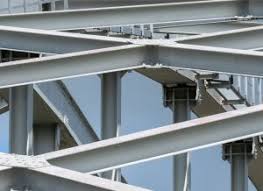
Steel is one of the most important materials used in construction today. It is strong, reliable, and can handle heavy loads. From tall buildings to bridges and factories, steel plays a key role in almost every large project.
But not all steel is the same.
Different types of structural steel are used depending on the design, load, environment, and purpose of the structure. Choosing the right type of steel is important because it affects strength, safety, and cost.
In this guide, you will learn about the main types of structural steel used in construction, their properties, and where they are used.
What Is Structural Steel
Structural steel is a category of steel that is specially designed for use in construction and engineering projects.
It is made to carry loads and provide support to structures.
Key features of structural steel
- High strength
- Good durability
- Easy to shape and fabricate
- Consistent quality
- Recyclable material
Structural steel is manufactured according to standard grades to ensure safety and performance.
Why Different Types of Steel Are Used
Every construction project has different needs.
Some structures require very high strength. Others need resistance to corrosion or flexibility under load.
This is why engineers use different types of steel.
Factors that affect steel selection
- Load and weight of the structure
- Environmental conditions such as moisture or heat
- Design requirements
- Cost and availability
- Safety standards
Choosing the right steel type ensures that the structure performs well for many years.
Main Types of Structural Steel Used in Construction
There are several types of structural steel used in construction. Each type has its own properties and applications.
Carbon Steel
What is carbon steel
Carbon steel is the most commonly used type of structural steel.
It is made mainly from iron and carbon.
Properties
- High strength
- Affordable
- Easy to work with
- Suitable for most construction projects
Where it is used
- Building frames
- Bridges
- Industrial structures
- General construction
Carbon steel is widely used because it provides a good balance between cost and performance.
High Strength Low Alloy Steel
What is high strength low alloy steel
This type of steel contains small amounts of alloying elements like manganese or copper to improve strength and durability.
Properties
- Higher strength than carbon steel
- Better resistance to corrosion
- Lightweight compared to strength
Where it is used
- Bridges
- High rise buildings
- Heavy structures
This steel is used when extra strength is required without increasing weight.
Stainless Steel
What is stainless steel
Stainless steel contains chromium, which gives it resistance to rust and corrosion.
Properties
- Excellent corrosion resistance
- Clean and smooth surface
- Long lifespan
Where it is used
- Coastal structures
- Chemical plants
- Food processing facilities
- Decorative architectural elements
Stainless steel is more expensive but is used in environments where rust can be a problem.
Structural Steel Sections
Structural steel is also categorized by shape. These shapes are designed to carry loads efficiently.
I Beams
What are I beams
I beams have a shape similar to the letter I.
Properties
- Strong load carrying capacity
- Efficient use of material
Where they are used
- Building frameworks
- Bridges
- Floor supports
H Beams
What are H beams
H beams are wider and thicker than I beams.
Properties
- High strength
- Better stability
Where they are used
- Large structures
- Heavy load applications
T Sections
What are T sections
T sections are shaped like the letter T.
Properties
- Good support for smaller loads
Where they are used
- Roof structure
- Secondary framing
Angle Sections
What are angle sections
Angle sections have an L shape.
Properties
- Lightweight
- Easy to connect
Where they are used
- Frames
- Supports
- Bracing structures
Channel Sections
What are channel sections
Channel sections have a U shape.
Properties
- Strong and stable
- Easy to install
Where they are used
- Structural supports
- Industrial equipment
Mild Steel
What is mild steel
Mild steel is a type of low carbon steel.
It is soft compared to other types but still strong enough for many applications.
Properties
- Easy to weld
- Easy to shape
- Cost effective
Where it is used
- Small structures
- Fabrication work
- General engineering
Mild steel is commonly used where flexibility and ease of work are important.
Reinforcing Steel
What is reinforcing steel
Reinforcing steel, also called rebar, is used with concrete.
Properties
- Improves strength of concrete
- Handles tension forces
Where it is used
- Concrete structures
- Foundations
- Columns and beams
Concrete is strong in compression but weak in tension. Steel reinforcement solves this problem.
Weathering Steel
What is weathering steel
Weathering steel forms a protective layer when exposed to air.
Properties
- Resistant to corrosion
- Low maintenance
Where it is used
- Bridges
- Outdoor structures
- Railway infrastructure
This steel is useful in environments where maintenance is difficult.
Comparison of Structural Steel Types
The table below gives a simple comparison.
Type of Steel | Strength | Corrosion Resistance | Cost | Common Use |
Carbon Steel | High | Medium | Low | General construction |
High Strength Steel | Very high | Medium to high | Medium | Bridges and heavy structures |
Stainless Steel | High | Very high | High | Coastal and chemical areas |
Mild Steel | Medium | Low | Low | Fabrication and small structures |
Weathering Steel | High | High | Medium | Outdoor structures |
How Engineers Choose the Right Steel
Selecting the right steel is a critical step in construction.
Engineers evaluate several factors before making a decision.
Key considerations
- Load requirements
- Environmental exposure
- Design complexity
- Budget
- Safety standards
A wrong choice can lead to structural failure or high maintenance costs.
Importance of Steel Standards
Structural steel must meet specific standards to ensure safety.
These standards define
- Strength
- Chemical composition
- Manufacturing process
Common standards include ASTM and IS codes.
Following these standards ensures that steel performs reliably in real world conditions.
Conclusion
Structural steel is not a single material. It comes in different types, grades, and shapes, each designed for a specific purpose.
From carbon steel used in general construction to stainless steel used in harsh environments, every type plays an important role.
Understanding these types helps engineers, builders, and project owners make better decisions.
The right choice of steel improves strength, safety, durability, and overall project success.
