
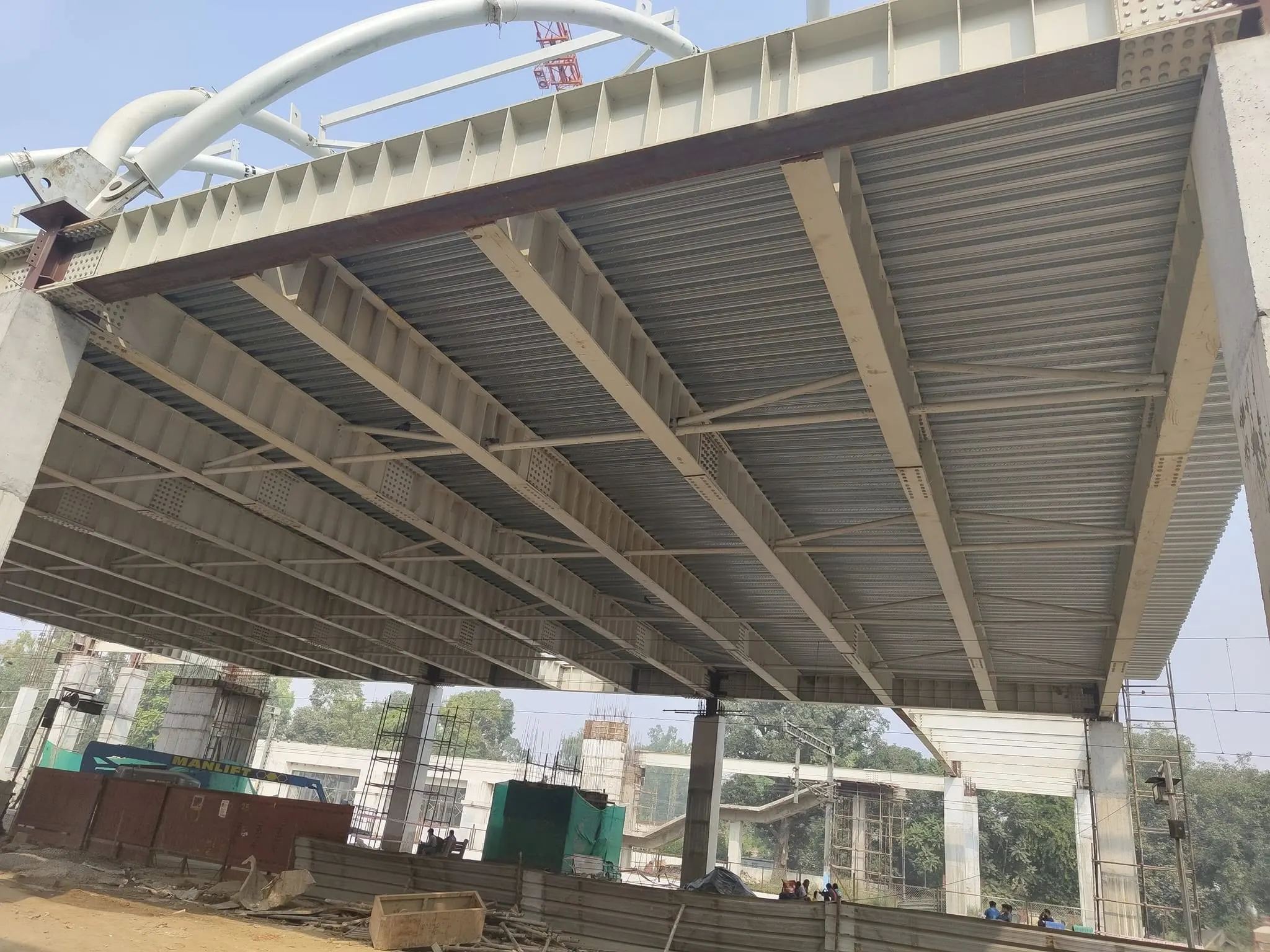
Infrastructure projects shape the way cities grow. Bridges, railways, power plants, and industrial facilities all depend on strong and reliable materials.
One material stands out in almost every large project. That material is structural steel.
Structural steel has become a preferred choice in modern infrastructure because it offers strength, speed, and long term performance. Engineers across the world use it to build structures that can handle heavy loads and harsh conditions.
In this blog, you will understand why structural steel is widely used in infrastructure projects and what makes it better than many other materials.
What Is Structural Steel in Infrastructure
Structural steel is a type of steel that is designed to carry loads and support large structures.
It is used to create components like beams, columns, frames, and trusses that form the backbone of infrastructure projects.
Where structural steel is used
- Bridges
- Railway structures
- Industrial plants
- Power stations
- Airports and terminals
- Warehouses and factories
These projects require materials that can perform well under stress. Structural steel meets these demands.
Why Structural Steel Is Widely Used
Infrastructure projects are complex and expensive. They require materials that are strong, reliable, and efficient.
Structural steel offers a combination of properties that make it ideal for these projects.
It is not just about strength. It is also about speed, durability, and flexibility.
High Strength and Load Capacity
One of the biggest advantages of structural steel is its strength.
Steel can carry very heavy loads without breaking or deforming.
Why this matters
Infrastructure structures like bridges and towers must handle
- Heavy traffic load
- Wind forces
- Vibrations
- Environmental stress
Steel provides the strength needed to keep these structures stable and safe.
Faster Construction Time
Time is a critical factor in infrastructure projects.
Delays can increase costs and affect operations.
Structural steel helps reduce construction time.
How steel speeds up construction
- Components are fabricated in factories
- Installation at the site is quick
- No waiting time like concrete curing
This allows projects to be completed faster.
Durability and Long Life
Infrastructure projects are built for long term use.
Structural steel offers excellent durability.
Key durability benefits
- Resistant to wear and tear
- Can last for decades
- Performs well in extreme conditions
With proper maintenance, steel structures can have a very long service life.
Flexibility in Design
Modern infrastructure requires innovative and complex designs.
Structural steel allows engineers to create flexible and efficient designs.
Design advantages
- Easy to shape and modify
- Suitable for large spans
- Supports modern architecture
This flexibility makes steel ideal for bridges, stadiums, and large industrial structures.
Lightweight Structure
Steel is strong but also relatively lightweight compared to its strength.
Why this is important
- Reduces load on foundations
- Easier transportation
- Simplifies installation
This makes steel structures more efficient and cost effective.
Sustainability and Recycling
Sustainability is becoming a major focus in construction.
Structural steel is one of the most environmentally friendly materials.
Environmental benefits
- Fully recyclable
- Can be reused in other projects
- Produces less waste
According to the World Steel Association, a large percentage of steel used in construction is recycled, making it a sustainable choice.
Cost Efficiency Over Time
Steel may seem expensive at the beginning, but it offers long term savings.
How steel reduces costs
- Faster construction reduces labor costs
- Lower maintenance over time
- Less material waste
- High durability reduces replacement costs
When you consider the full life cycle, steel often becomes a cost effective option
Better Safety and Reliability
Safety is critical in infrastructure projects.
Structural steel offers predictable and reliable performance.
Safety benefits
- Consistent material quality
- Strong and stable under load
- Performs well under stress
Steel structures are designed to meet strict engineering standards, ensuring safety.
Easy Maintenance and Repair
All structures require maintenance over time.
Steel structures are easier to maintain compared to many other materials.
Maintenance advantages
- Easy inspection
- Simple repair methods
- Replaceable components
This helps reduce downtime and maintenance costs.
Resistance to Natural Forces
Infrastructure structures must withstand environmental forces.
Structural steel performs well under
- Earthquakes
- Wind loads
- Temperature changes
Its flexibility allows it to absorb energy without breaking, which is important in seismic zones.
Comparison of Structural Steel Benefits
Benefit | Why It Matters |
High Strength | Supports heavy loads safely |
Fast Construction | Saves time and cost |
Durability | Long lasting performance |
Design Flexibility | Supports complex structures |
Lightweight | Reduces foundation load |
Sustainability | Environment friendly |
Cost Efficiency | Lower life cycle cost |
Safety | Reliable performance |
Applications in Infrastructure Projects
Structural steel is used in many types of infrastructure.
Bridges
Steel bridges can span long distances and carry heavy traffic.
Railways
Steel is used in tracks, bridges, and station structures.
Power Plants
Steel supports equipment, boilers, and structural frameworks.
Industrial Facilities
Factories and warehouses rely on steel for strength and scalability.
Airports
Steel structures are used in terminals and hangars due to large open spaces.
Why Engineers Prefer Structural Steel
Engineers choose structural steel because it offers a balance of performance, efficiency, and reliability.
It allows them to design structures that are strong, safe, and adaptable to future needs.
Steel is not just a material. It is a solution that supports modern infrastructure development.
Conclusion
Structural steel has transformed the way infrastructure projects are built.
Its strength, durability, and flexibility make it one of the most important materials in construction.
From bridges and railways to power plants and industrial facilities, structural steel plays a key role in building strong and reliable infrastructure.
Choosing the right material can determine the success of a project. Structural steel continues to be a trusted choice for engineers and developers around the world.
