
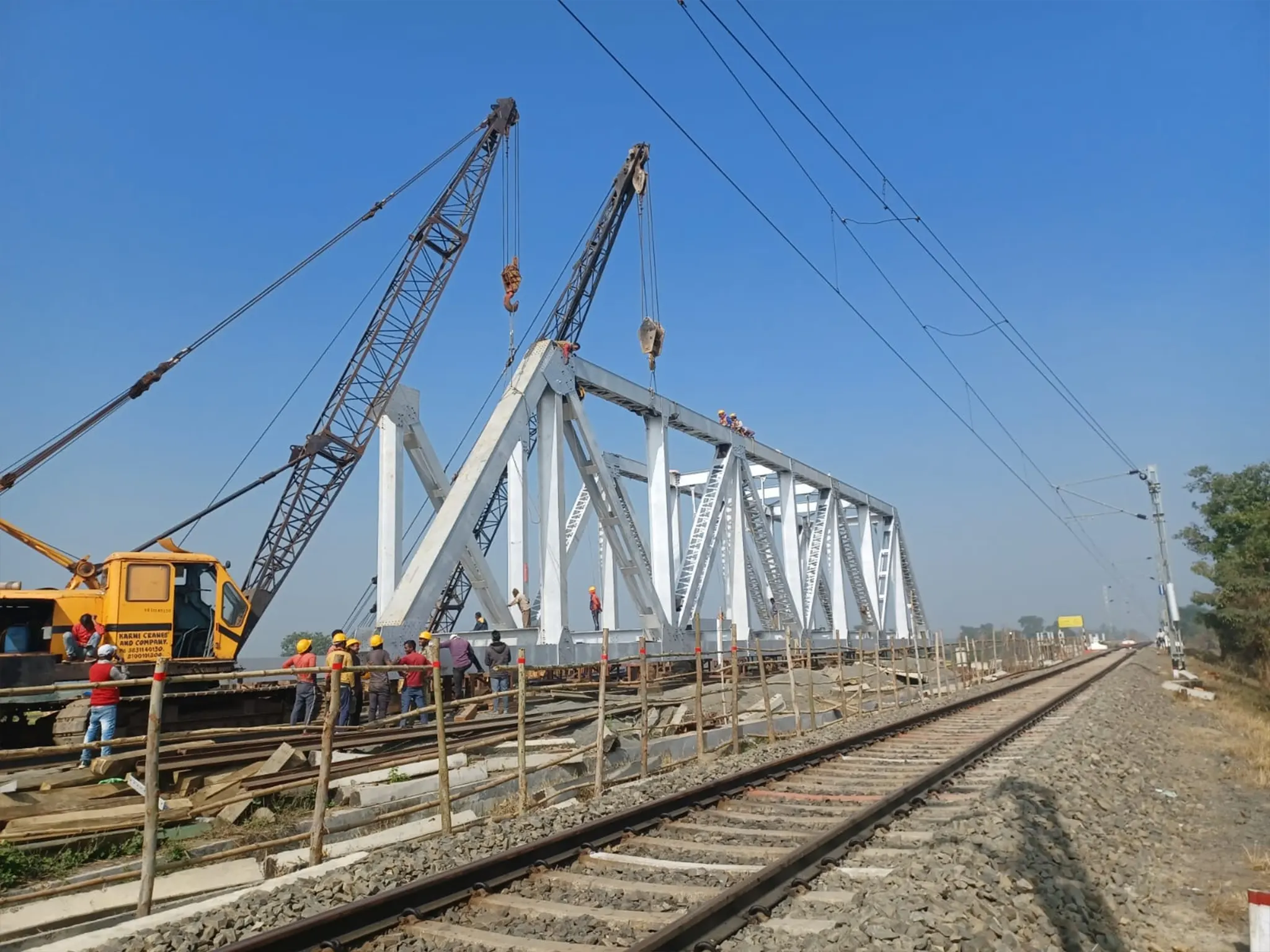
Steel structures are used in projects where safety is critical. Bridges, power plants, factories, and industrial buildings all depend on strong and reliable steel components.
But strength does not come from steel alone.
It comes from how the steel is designed, fabricated, and tested. Even a small mistake in fabrication can lead to serious problems in the final structure.
This is why quality control plays a key role in structural steel fabrication.
In this blog, you will understand what quality control means, why it is important, and how it is applied at every stage of fabrication.
What Is Quality Control in Steel Fabrication
Quality control in steel fabrication is the process of checking and verifying that all steel components meet required standards, specifications, and safety requirements.
It ensures that every part is manufactured correctly before it is used in construction.
Simple meaning
Quality control means making sure that the steel structure is safe, accurate, and built as per design.
Why Quality Control Is Important
Structural steel is used in load bearing applications. Any failure can result in serious damage or safety risks.
Quality control helps prevent these problems.
Key reasons why it matters
- Ensures structural safety
- Reduces risk of failure
- Maintains design accuracy
- Avoids costly rework
- Meets industry standards
Without proper quality control, even high quality materials can fail.
Stages of Quality Control in Steel Fabrication
Quality control is not a single step. It is applied throughout the fabrication process.
Stage 1 Material Inspection
Quality control starts with the raw material.
Before fabrication begins, the steel is checked to ensure it meets required standards.
What is inspected
- Material grade
- Chemical composition
- Strength properties
- Surface condition
Why this stage matters
If the wrong material is used, the entire structure can become unsafe.
Stage 2 Design Verification
Before fabrication starts, design drawings are reviewed.
What is checked
- Dimensions and tolerances
- Load calculations
- Welding requirements
- Compliance with standards
Purpose
This step ensures that the design is correct and ready for production.
Stage 3 Cutting and Shaping Inspection
During cutting and forming, measurements must be accurate.
What is checked
- Length and width of components
- Shape accuracy
- Edge quality
Common issues
- Incorrect dimensions
- Rough edges
- Misalignment
These errors can affect assembly later.
Stage 4 Welding Quality Control
Welding is one of the most critical steps in fabrication.
Poor welding can lead to structural failure.
What is inspected
- Weld strength
- Weld size and shape
- Presence of cracks or defects
Types of weld defects
- Cracks
- Porosity
- Incomplete fusion
Why this stage is important
Welds hold the structure together. Weak welds can fail under load.
Stage 5 Dimensional Inspection
After assembly, the entire structure is checked for accuracy.
What is measured
- Overall dimensions
- Alignment of components
- Tolerance limits
Purpose
This ensures that all parts fit correctly during installation.
Stage 6 Surface Treatment Inspection
Steel must be protected from corrosion.
After finishing, the surface is inspected.
What is checked
- Coating thickness
- Paint quality
- Surface cleanliness
Why it matters
Poor coating can lead to rust and reduce the lifespan of the structure.
Stage 7 Final Inspection and Testing
Before delivery, a final inspection is carried out.
What is verified
- Compliance with design
- Structural integrity
- Documentation and certification
Testing methods used
- Visual inspection
- Ultrasonic testing
- Magnetic particle testing
This is the last step before the steel components are sent to the site.
Common Quality Control Methods
Different methods are used to check the quality of fabricated steel.
Visual Inspection
This is the simplest method.
Inspectors check for visible defects like cracks or misalignment.
Non Destructive Testing
These methods check internal defects without damaging the material.
Common types
- Ultrasonic testing
- Radiographic testing
- Magnetic particle testing
Dimensional Testing
Measurements are taken using tools to ensure accuracy.
Load Testing
In some cases, components are tested under load to verify strength.
Standards Used in Quality Control
Steel fabrication follows strict international standards.
These standards define how materials and processes should be handled.
Common standards
- ASTM standards
- ISO standards
- IS codes
Following these standards ensures safety and consistency.
Common Quality Issues in Steel Fabrication
Even with proper systems, some issues can occur.
Typical problems
- Incorrect material selection
- Poor welding quality
- Measurement errors
- Improper coating
These issues can lead to delays, increased costs, and safety risks.
Role of Skilled Workforce
Quality control is not just about tools and machines. Skilled workers play a major role.
Why expertise matters
- Accurate welding requires skill
- Inspection needs experience
- Handling materials properly prevents damage
A trained team improves overall quality and reduces errors.
Quality Control Checklist
A simple checklist helps ensure that all steps are followed.
Fabrication quality checklist
- Material verified before use
- Design approved
- Cutting dimensions checked
- Welding inspected
- Surface treated properly
- Final inspection completed
This checklist helps maintain consistency across projects.
Benefits of Strong Quality Control
When quality control is done properly, it provides many advantages.
Key benefits
- Improved safety
- Longer lifespan of structures
- Reduced repair costs
- Better project performance
- Compliance with regulations
Quality control is not an extra step. It is essential for success.
Conclusion
Quality control is the foundation of structural steel fabrication.
It ensures that every component is safe, accurate, and reliable.
From material inspection to final testing, each stage plays a role in maintaining quality.
Without proper quality control, even strong materials like steel can fail.
For any infrastructure or industrial project, investing in quality control is not optional. It is necessary.
