
India is growing fast. New industries, better infrastructure, and expanding cities are increasing the demand for strong and efficient buildings.
Traditional construction methods often take time and require heavy resources. This has led many industries to shift toward faster and more efficient solutions.
One such solution is the pre engineered building, also known as PEB.
Pre engineered buildings are now widely used across India because they offer speed, cost efficiency, and flexibility. They are especially useful in industrial and infrastructure projects where time and performance matter.
In this blog, you will understand how PEB is used in India and where it is most commonly applied.
What Is a Pre Engineered Building
A pre engineered building is a structure made using steel components that are designed and manufactured in a factory and then assembled at the construction site.
This method reduces construction time and improves quality.
Simple explanation
A PEB is a building made from ready to assemble steel parts.
Why PEB Is Growing in India
India has seen rapid industrial and infrastructure growth in recent years.
This has increased the need for buildings that can be constructed quickly and efficiently.
Key reasons for growth
- Increasing demand for warehouses and logistics
- Expansion of manufacturing sector
- Growth of e commerce and supply chains
- Need for faster project completion
- Focus on cost efficient construction
PEB meets all these requirements, which is why its adoption is increasing across the country.
Major Applications of PEB in India
Pre engineered buildings are used in many sectors in India.
Warehousing and Logistics
The rise of e commerce has increased the need for warehouses.
PEBs are widely used in this sector.
Why PEB is suitable
- Large open spaces
- Fast construction
- Easy expansion
Common uses
- Storage warehouses
- Distribution centers
- Logistics hubs
Industrial and Manufacturing Plants
Factories require strong structures that can support heavy machinery.
PEBs are ideal for industrial buildings.
Benefits in manufacturing
- High load capacity
- Flexible layout
- Quick setup
Examples
- Production units
- Assembly plants
- Processing facilities
Agriculture and Cold Storage
Agriculture is a major sector in India.
PEBs are used to build modern storage facilities.
Applications
- Cold storage units
- Food processing facilities
- Storage sheds
Advantages
- Temperature control support
- Large storage space
- Durable structure
Infrastructure Projects
PEBs are also used in infrastructure development.
Common uses
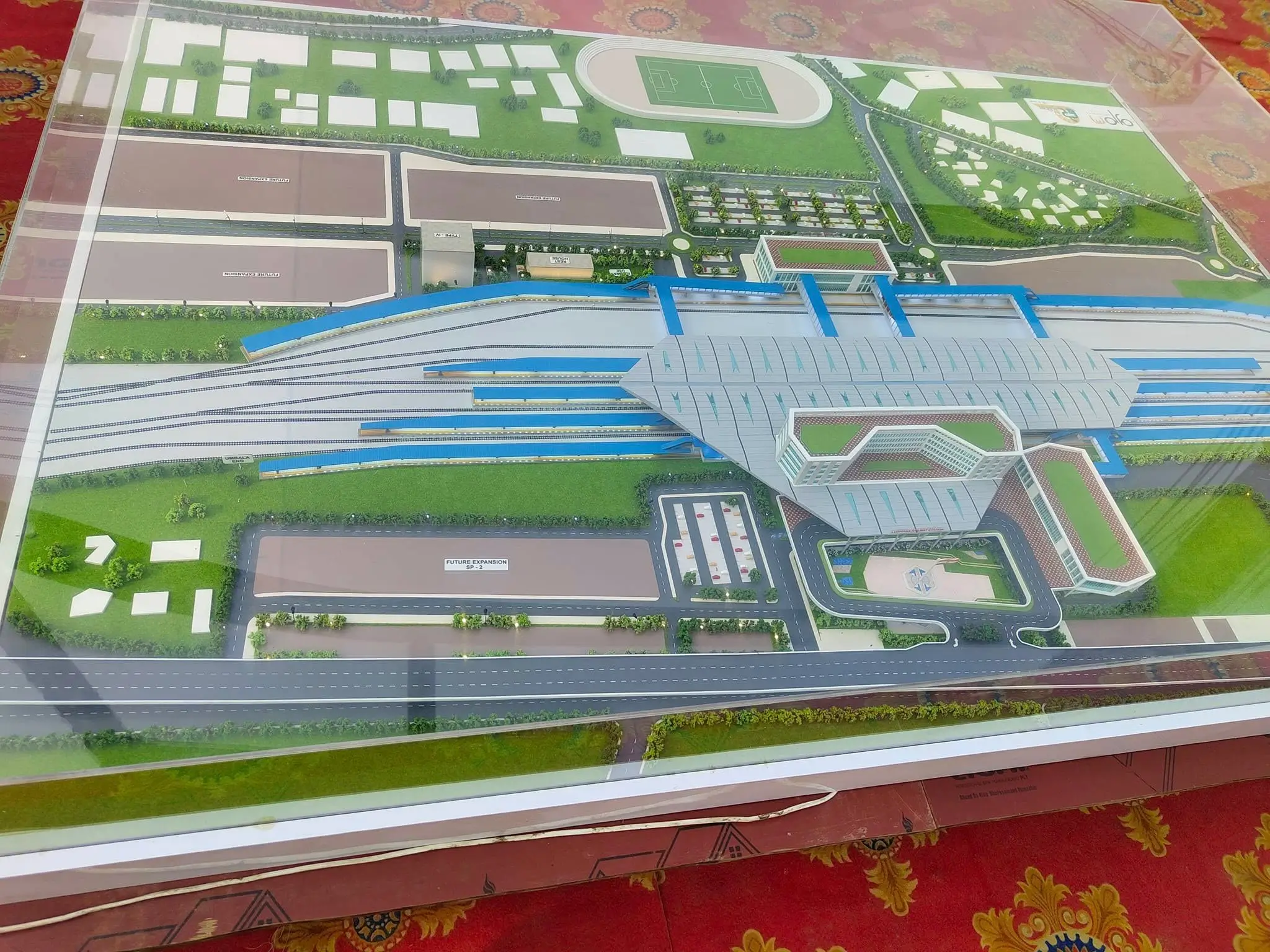
- Railway stations
- Metro depots
- Airport structures
- Toll plazas
These structures require speed and durability, which PEB provides.
Commercial Buildings
PEBs are not limited to industrial use. They are also used in commercial construction.
Applications
- Shopping complexes
- Exhibition halls
- Office spaces
Why PEB is used
- Faster construction
- Modern design
- Cost efficiency
Aviation and Defense
PEBs are used in aviation and defense projects.
Examples
- Aircraft hangars
- Maintenance facilities
- Storage units
These structures require large spans and strong materials.
Power and Energy Sector
The power sector uses PEB for building infrastructure.
Applications
- Power plants
- Substations
- Equipment shelters
These structures must handle heavy equipment and harsh conditions.
Educational and Institutional Buildings
PEBs are also used in schools and institutional buildings.
Examples
- School buildings
- Training centers
- Temporary structures
They offer quick construction and cost savings.
Comparison of PEB Applications
Sector | Use of PEB |
Warehousing | Storage and logistics hubs |
Manufacturing | Factories and production units |
Agriculture | Cold storage and sheds |
Infrastructure | Stations and transport structures |
Commercial | Offices and malls |
Aviation | Hangars and facilities |
Energy | Power plants and substations |
Why PEB Fits Indian Conditions
India has diverse weather and varying project conditions.
PEBs are suitable because they offer flexibility and strength.
Key advantages in India
- Can handle different climates
- Suitable for fast growing industries
- Cost efficient for large projects
- Easy to expand
These factors make PEB a practical solution for Indian construction needs.
Challenges in PEB Adoption
Despite its advantages, PEB also faces some challenges.
Common challenges
- Need for proper design planning
- Skilled installation required
- Limited awareness in smaller markets
With the right expertise, these challenges can be managed.
Future of PEB in India
The demand for pre engineered buildings in India is expected to grow.
With increasing industrialization and infrastructure development, faster construction methods will become more important.
PEB is likely to play a major role in the future of construction in India.
Conclusion
Pre engineered buildings have become an important part of modern construction in India.
They are widely used across industries such as logistics, manufacturing, infrastructure, and energy.
Their ability to provide speed, cost efficiency, and flexibility makes them a preferred choice for many projects.
As India continues to grow, the use of PEB will continue to expand across different sectors.
