
Modern construction is changing fast. Industries now need buildings that are quick to build, cost efficient, and easy to expand.
This is where pre engineered buildings come in.
A pre engineered building, also known as PEB, is a modern construction method where the building components are designed and manufactured in a factory and then assembled at the site.
These buildings are widely used for warehouses, factories, and industrial structures because they save time and cost while maintaining strength.
In this guide, you will understand what a pre engineered building is, how it works, and why it is widely used in industrial construction.
What Is a Pre Engineered Building
A pre engineered building is a structure that is designed, fabricated, and assembled using pre made steel components.
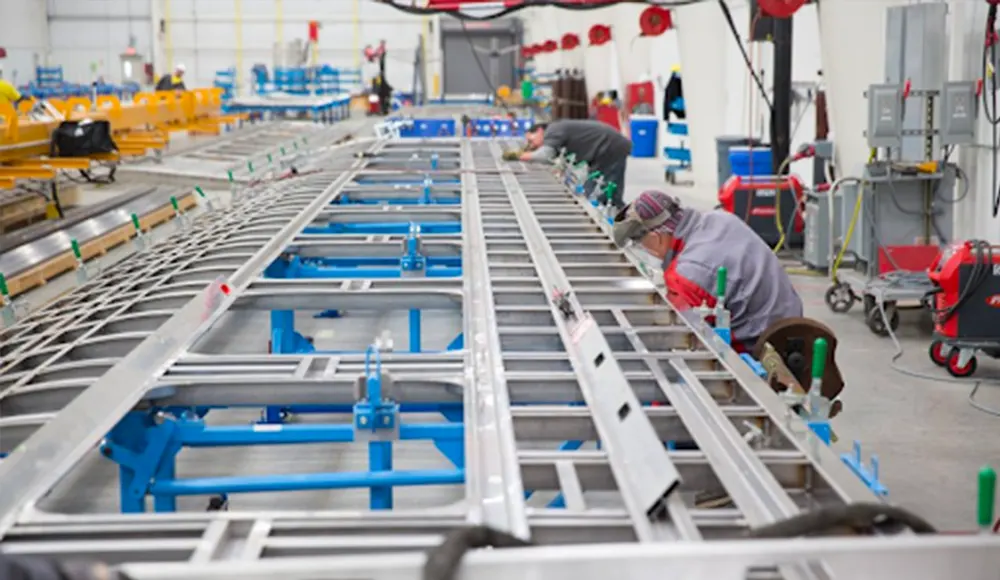
Instead of building everything at the site, most parts are manufactured in a factory and then transported for installation.
Simple definition
A PEB is a building made from ready to assemble steel parts.
How Pre Engineered Buildings Work
The process of building a PEB is different from traditional construction.
Instead of constructing everything step by step at the site, the work is divided between factory and site.
Basic process
- Design is created based on requirements
- Steel components are fabricated in a factory
- Components are transported to the site
- Structure is assembled using bolts and connections
This method reduces construction time and improves efficiency.
Main Components of a PEB
A pre engineered building is made up of several parts that work together to form a strong structure.
Primary Structure
What it includes
- Columns
- Rafters
These are the main load carrying elements of the building.
Secondary Structure
What it includes
- Purlins
- Girts
- Bracing
These components support the main structure and provide stability.
Roofing and Cladding
What it includes
- Roof panels
- Wall panels
These protect the building from weather conditions.
Accessories
Examples
- Doors
- Windows
- Ventilation systems
These improve functionality and usability.
Advantages of Pre Engineered Buildings
PEBs are widely used because they offer several advantages over traditional construction.
Faster Construction Time
PEBs are built much faster than traditional buildings.
Why they are faster
- Components are pre made in factories
- On site work is limited
- No curing time required
This helps projects finish quickly.
Cost Efficiency
PEBs help reduce overall project cost.
How they save cost
- Less labor required
- Reduced material waste
- Faster project completion
This makes them ideal for industrial projects.
High Strength and Durability
PEBs use structural steel, which is strong and reliable.
Benefits
- Can handle heavy loads
- Long lifespan
- Performs well under stress
These buildings are suitable for demanding environments.
Design Flexibility
PEBs can be designed according to specific requirements.
Flexibility benefits
- Custom sizes and layouts
- Easy expansion
- Suitable for different industries
This makes them adaptable for future needs.
Lightweight Structure
PEBs are lighter compared to traditional concrete structures.
Why this matters
- Reduced foundation cost
- Easier transportation
- Faster installation
Low Maintenance
PEBs require less maintenance over time.
Maintenance advantages
- Corrosion resistant coatings
- Durable materials
- Easy repairs
This reduces long term expenses.
Environment Friendly
PEBs are more sustainable compared to traditional construction.
Environmental benefits
- Steel is recyclable
- Less construction waste
- Efficient use of materials
Applications of Pre Engineered Buildings
PEBs are used in many industries.
Common applications
- Warehouses
- Factories
- Industrial sheds
- Logistics centers
- Aircraft hangars
- Commercial buildings
These structures are ideal for large scale projects.
PEB vs Traditional Construction
Understanding the difference helps in choosing the right method.
Factor | Pre Engineered Building | Traditional Construction |
Construction Time | Fast | Slow |
Cost | Cost efficient | Higher overall cost |
Flexibility | High | Limited |
Weight | Lightweight | Heavy |
Maintenance | Low | Higher |
Why Industries Prefer PEB
Industries need buildings that support operations efficiently.
PEBs provide
- Quick setup
- Strong structure
- Easy expansion
- Lower operational cost
This makes them a preferred choice in modern industrial construction.
Limitations of PEB
While PEBs have many advantages, they also have some limitations.
Common limitations
- Design depends on fabrication capabilities
- Requires skilled installation
- Initial planning must be accurate
These challenges can be managed with proper expertise.
Future of Pre Engineered Buildings
PEBs are becoming more popular due to advancements in technology.
Modern tools and automation are improving design and fabrication processes.
As industries grow, the demand for fast and efficient construction methods like PEB will continue to increase.
Conclusion
Pre engineered buildings are a modern solution for industrial and infrastructure construction.
They offer speed, cost efficiency, strength, and flexibility.
By shifting most of the work to factories, PEBs reduce construction time and improve quality.
For industries that need reliable and scalable structures, PEB is one of the best options available today.
